
316 vs 304 Stainless Steel Insulated Bottles: What Wholesale Buyers Must Check in 2026
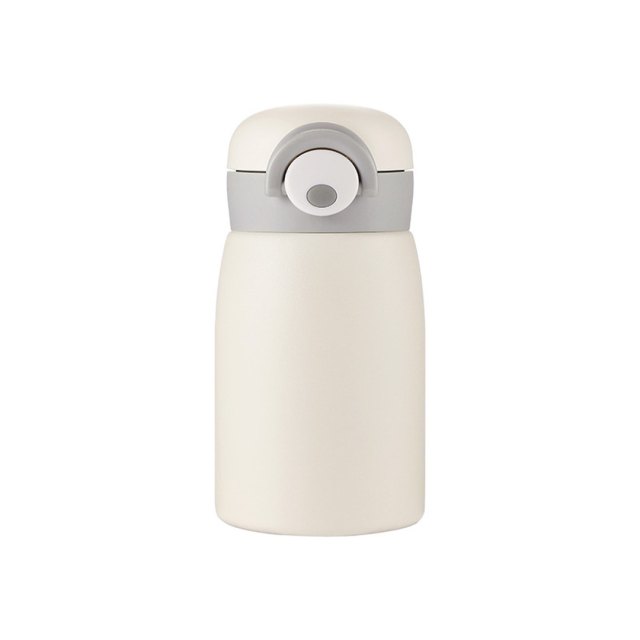
For most food and beverage resale, a 316 stainless steel insulated bottle is the safer specification to stock than 304, because 316 adds molybdenum that improves resistance to salt and acid corrosion. The trade-off is cost: 316-grade blanks run higher than 304, so the choice depends on what your customers put in the bottle and where it will be used. Qualiio lists a 316-grade 260ml vacuum cup at $13.32 (Qualiio product page, 2026), a useful price anchor for this grade. This guidance applies to wholesale buyers sourcing insulated drinkware for retail; it does not cover insulated food jars or industrial containers.
This guide answers: What is the difference between 316 and 304 stainless steel? Why does molybdenum matter for drinks? Which bottle should you stock for which customer? How do you verify the grade a supplier claims? What do real Qualiio listings price at? What are the most common misconceptions? Where does this guidance not apply?
What is the difference between 316 and 304 stainless steel?
316 and 304 are both austenitic stainless steels, but 316 contains roughly 2–3% molybdenum while standard 304 contains none. That single addition is the practical difference buyers pay for. Molybdenum improves pitting resistance when the metal contacts chlorides — salt, seawater, and some cleaning agents. For a drinkware program, the decision is a specification choice, not a marketing label.
Why does molybdenum matter for insulated drinks?
Molybdenum reduces pitting corrosion in the presence of chloride ions, which appear in salty foods, sports drinks, and coastal environments. A bottle carrying plain water rarely stresses either grade, but a bottle used for salted soups, electrolyte drinks, or beach and marine use benefits from 316. The improvement is real but conditional: it matters only when chlorides are present, so buyers should match the grade to the actual use case rather than assume 316 is always required.
Which bottle should you stock for which customer?
The table below uses real Qualiio listings to show how grade and capacity map to price. All prices are taken from Qualiio product pages in 2026.
| Product | Grade / Liner | Capacity | Listed Price | Best for |
|---|---|---|---|---|
| Osinma vacuum cup | 316 stainless | 260ml | $13.32 | Coffee, tea, daily carry |
| Ceramic-liner tumbler | 316 stainless + ceramic liner | 1000ml | $17.96 | Large-volume, flavor-sensitive drinks |
| 304 generic cup | 304 stainless | 260ml | Typically lower | Plain water, price-led shelves |
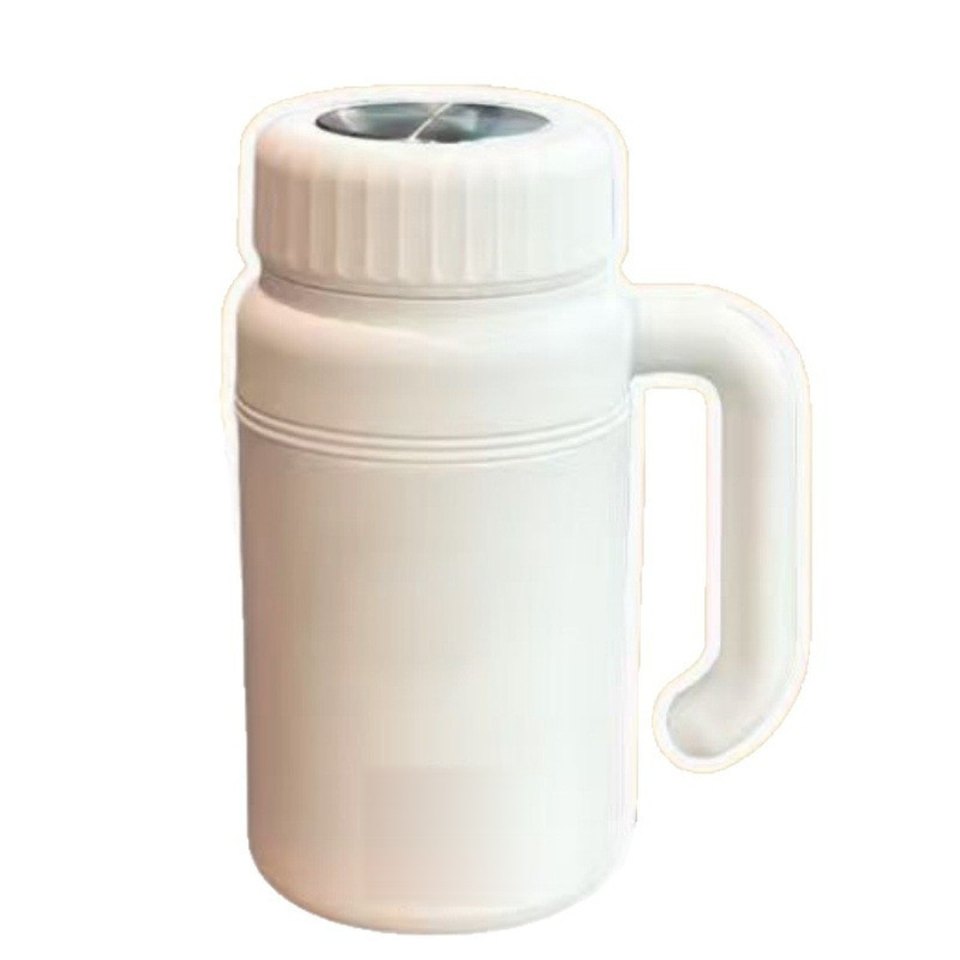
A 316 bottle with a ceramic liner ($17.96, Qualiio) suits customers who drink coffee or acidic beverages and want to avoid any metallic taste, because the liner separates the drink from the steel entirely.
How do you verify the grade a supplier actually ships?
Ask for a mill certificate that names the grade and heat number, then match the heat number to the invoice batch. A mill certificate is a standard document from the steel producer, not a supplier-written claim. For food-contact surfaces, also request a food-contact test report such as FDA or LFGB — but treat the report as valid only if the report's product description matches the SKU you are buying. Grade verification is a three-step process: certificate, batch match, and independent sample test for higher-risk orders.
What is the most common misconception about 316 bottles?
A common claim is that 316 stainless steel is "rust-proof" and needs no care. That is not accurate. Both 316 and 304 can stain or pit if left with salt residues or harsh cleaners for long periods. The correct statement is narrower: 316 resists chloride pitting better than 304 under the same conditions, provided the bottle is cleaned and dried normally. Buyers should not promise customers that any stainless grade is maintenance-free.
How should you place a first trial order?
- Request mill certificates and a food-contact report for the exact SKU.
- Order a small sample batch — 20–50 units is enough for basic checks.
- Test with the real beverage: fill with coffee, salted broth, or an electrolyte drink for 48 hours and check for taste or residue.
- Inspect the vacuum seal by filling with hot water and checking external temperature after two hours.
- Only scale up after samples pass both the corrosion and insulation checks.
Frequently asked questions
Is 316 stainless steel safe for acidic drinks?
Yes. 316 is widely used in food processing equipment, which reflects its stability with many acidic products. For a specific SKU, buyers should still request a food-contact test report matching that product rather than rely on the grade alone.
Does a ceramic liner change the grade question?
A ceramic liner separates the drink from the steel, so taste transfer is reduced regardless of 304 or 316. The underlying grade still matters for the exterior and longevity, which is why the Qualiio ceramic-liner tumbler pairs a liner with 316 steel.
Are 316 bottles worth the higher price for resale?
They are worth it when the target customer drinks coffee, tea, sports drinks, or uses the bottle in coastal or marine settings. For plain-water, price-led shelves, 304 may be the better margin choice. The answer depends on the customer, not on the steel alone.
Where this guidance does not apply
This guide covers insulated drinkware for retail resale. It does not cover insulated food jars, vacuum flasks for industrial use, or stainless steel cookware, where different standards and temperature ranges apply. Grade claims in this article describe typical industry specifications, not a certification of any specific Qualiio SKU; always confirm the current certificate for the batch you order.
Author: Qualiio Sourcing Desk | Last updated: 2026-11-17
Sources
- Qualiio product pages — 316 stainless steel 260ml vacuum cup ($13.32) and 316 ceramic-liner tumbler 1000ml ($17.96), accessed 2026-11-17.
- ASTM A240 / EN 10088 — standard specifications for 304 and 316 austenitic stainless steels (grade definitions only).
- FDA 21 CFR and EU Framework Regulation 1935/2004 — food-contact material frameworks, referenced as documents buyers should request, not as claims of compliance.